Ultimate Potential

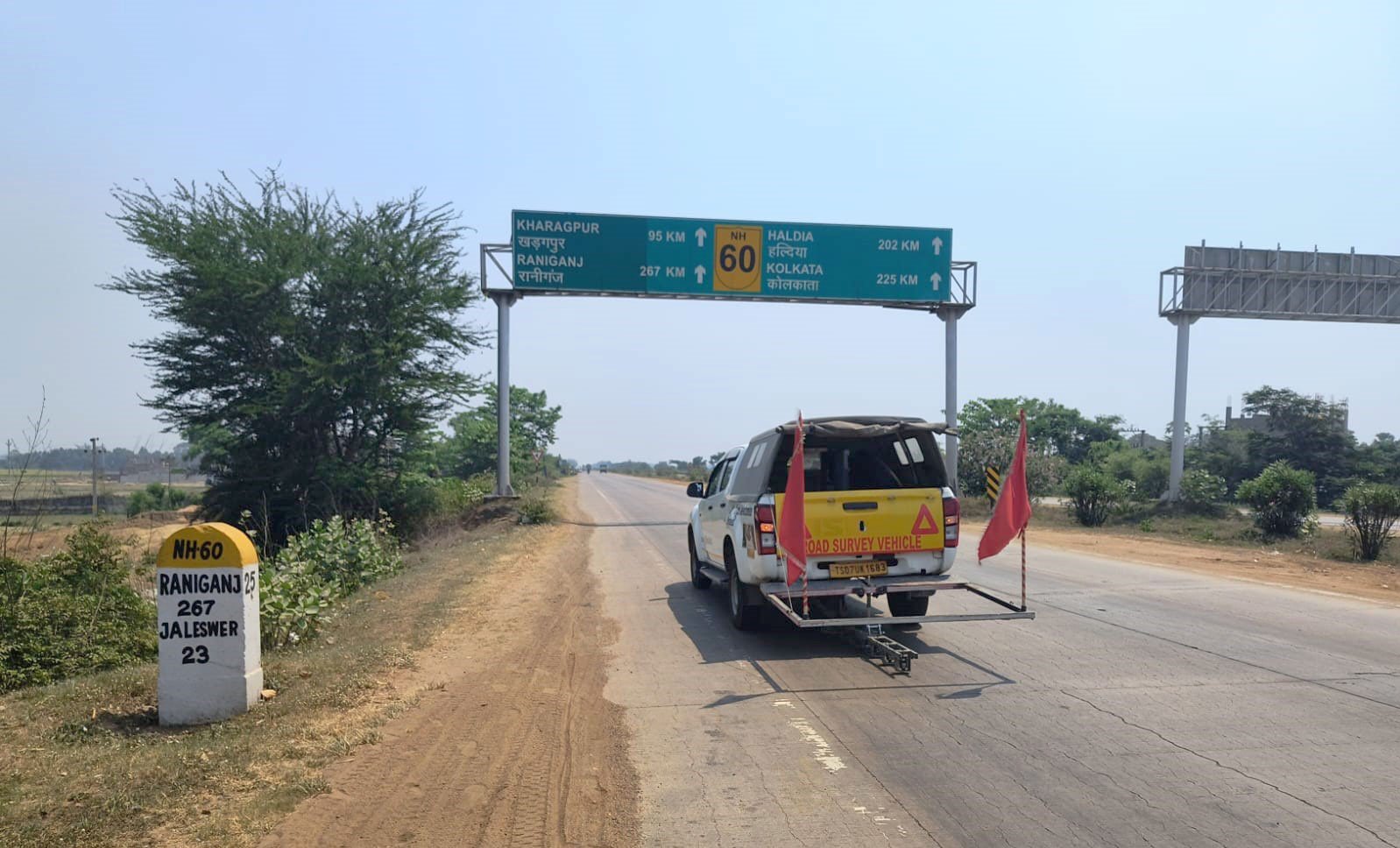
Baleshwar-Kharagpur Corridor, NH60, Odisha & West Bengal

Project Overview

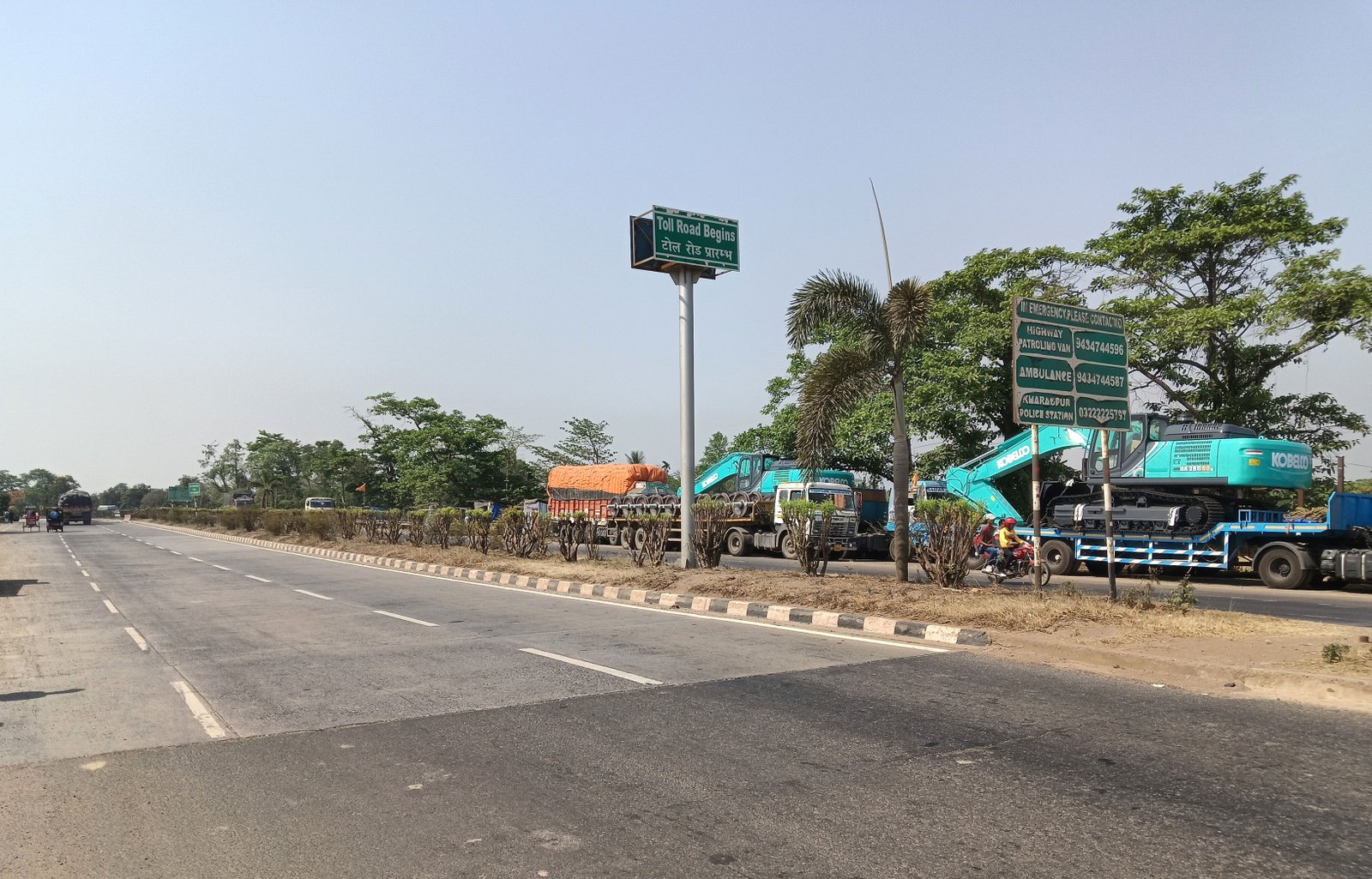
The Baleshwar–Kharagpur, a 119.3 km four lane corridor, forms part of a strategic freight and passenger route connecting Odisha and West Bengal and integrates into the Golden Quadrilateral network. The corridor consists mainly of rigid pavement, with sections showing age-related distress and structural fatigue. 

Translink Infrastructure Consultants Pvt. Ltd. was engaged to conduct a technical due diligence study to evaluate current pavement condition, determine remaining service life, and define optimized rehabilitation and maintenance strategies.

Scope of Work

Technical Due Diligence

Corridor Length & Configuration

119.3 km & 4 lane

Concessionaire

Baleshwar Kharagpur Expressway Limited

Client

Baleshwar Kharagpur Expressway Limited

Scope of Work

Technical Due Diligence

Corridor Length & Configuration

119.3 km & 4 lane

Client

Baleshwar Kharagpur Expressway Limited

Concessionaire

Baleshwar Kharagpur Expressway Limited

Challenges

The pavement displayed multiple distress types, including longitudinal and transverse cracking, alligator/multiple cracking patterns, joint spalling, and surface deterioration. A key complexity was quantifying each distress precisely by location and severity to avoid generalized or excessive rehabilitation. 
In several segments, flooding and seasonal overtopping contributed to subgrade moisture weakening and accelerated slab distress, making condition assessment highly location-specific. The challenge was to link distress classifications with structurally appropriate repairs rather than blanket reconstruction.

Solutions

The study included NSV-based surface condition mapping, core sampling, laboratory testing, and FWD structural assessment to correlate distress with load-transfer and foundation conditions. Based on defect type and severity, targeted rehabilitation measures were defined: 

PQC panel dismantling and replacement where structural failure was confirmed, and restoration techniques such as crack sealing, stitch-and-staple reinforcement, joint resealing, and localized sub-base correction where slabs were salvageable.

Impact

This defect-based and structural-response-driven approach avoided unnecessary full reconstruction, reducing capital expenditure while improving pavement durability and service performance. 

The study delivered a clear, defendable roadmap for phased rehabilitation and maintenance, enabling stakeholders to plan interventions efficiently while ensuring reliable corridor operations and long-term asset value.

View More Projects

Aviation

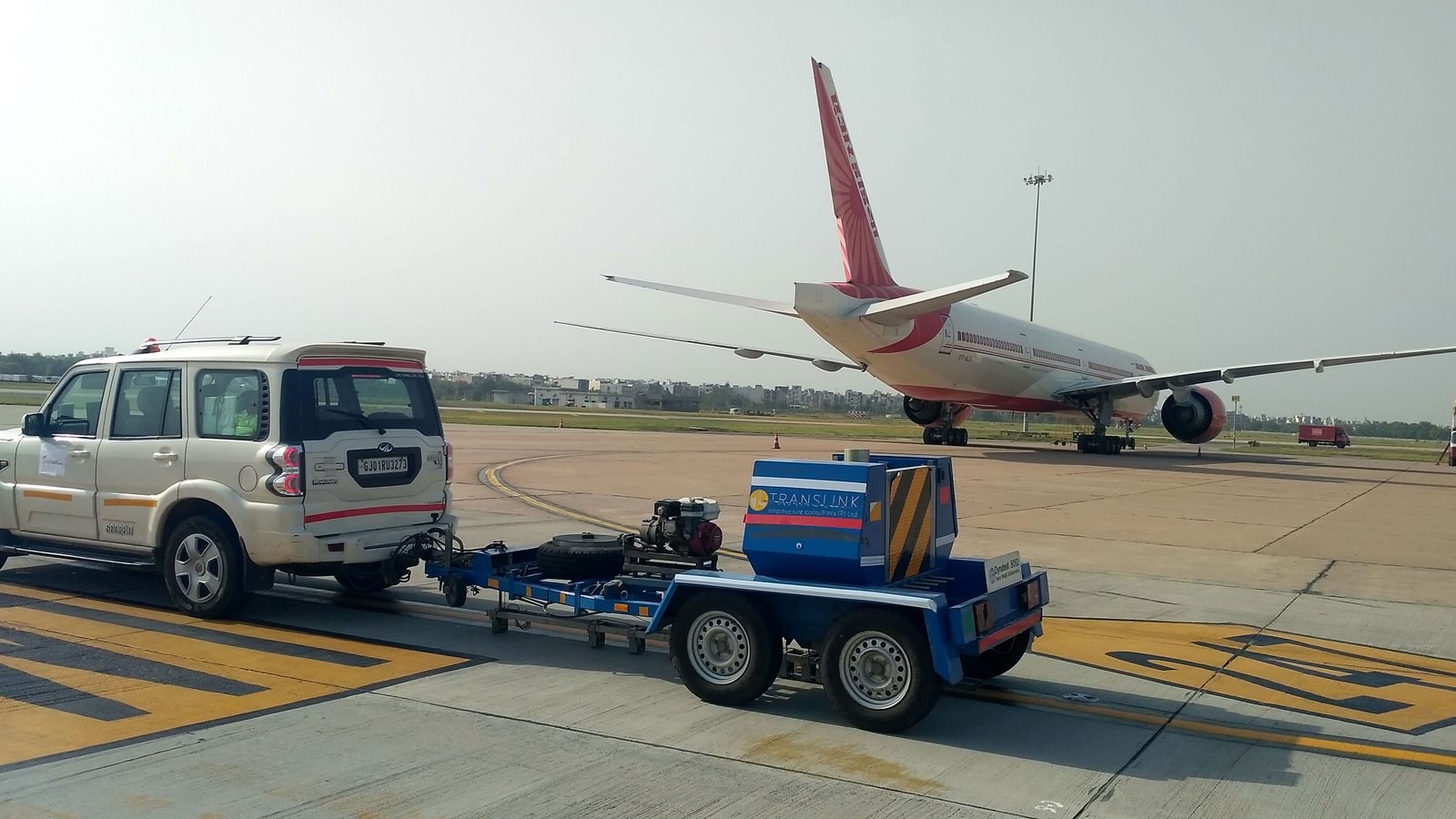
Indira Gandhi International Airport, Delhi

Scope of Work

Airside Pavement Assessment

Corridor Length & Configuration

3.6 Lakh
Aviation

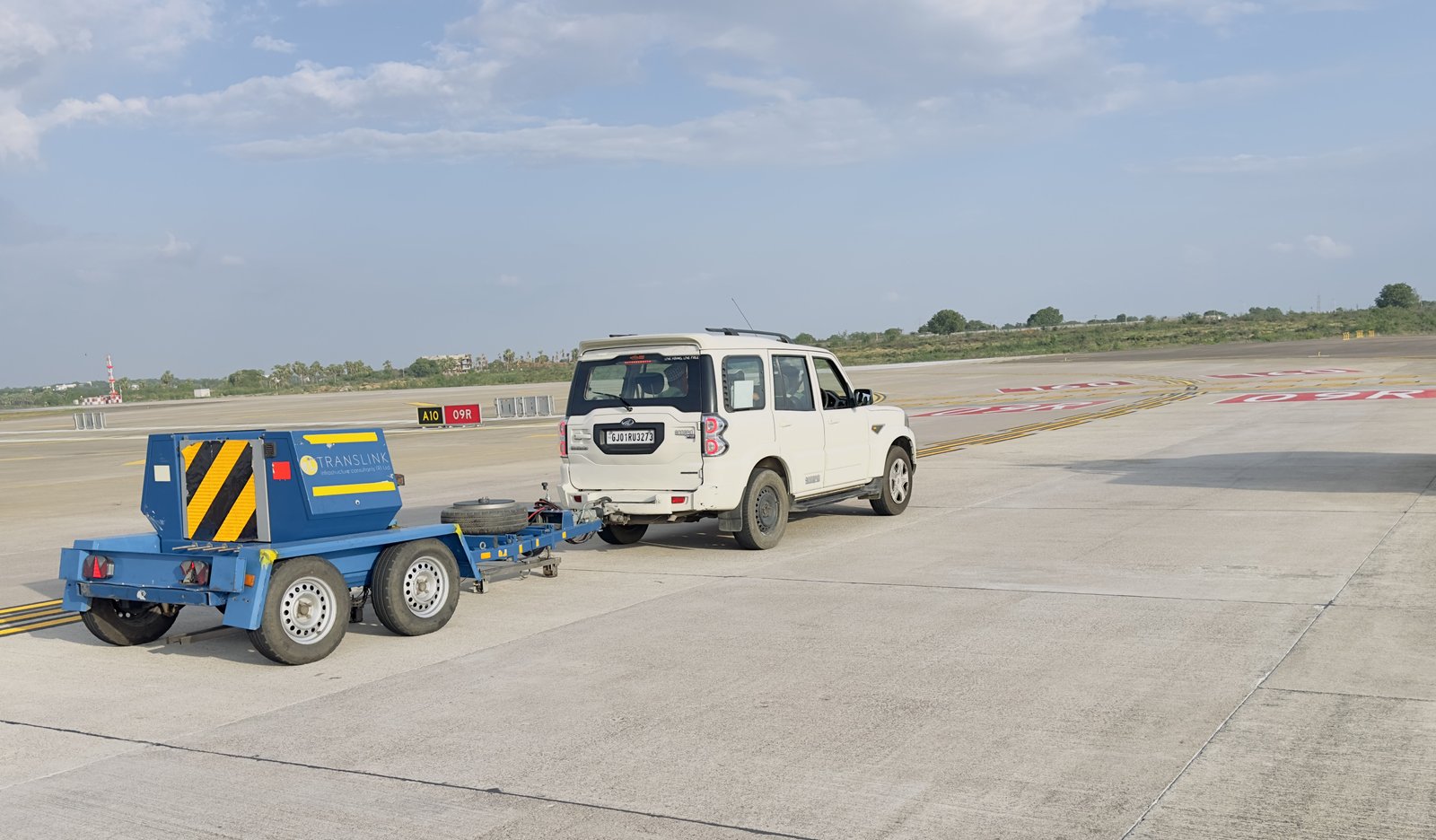
Rajiv Gandhi International Airport, Hyderabad

Scope of Work

Airside Pavement Assessment

Corridor Length & Configuration

12.5 Lakh
Bridges & Structures

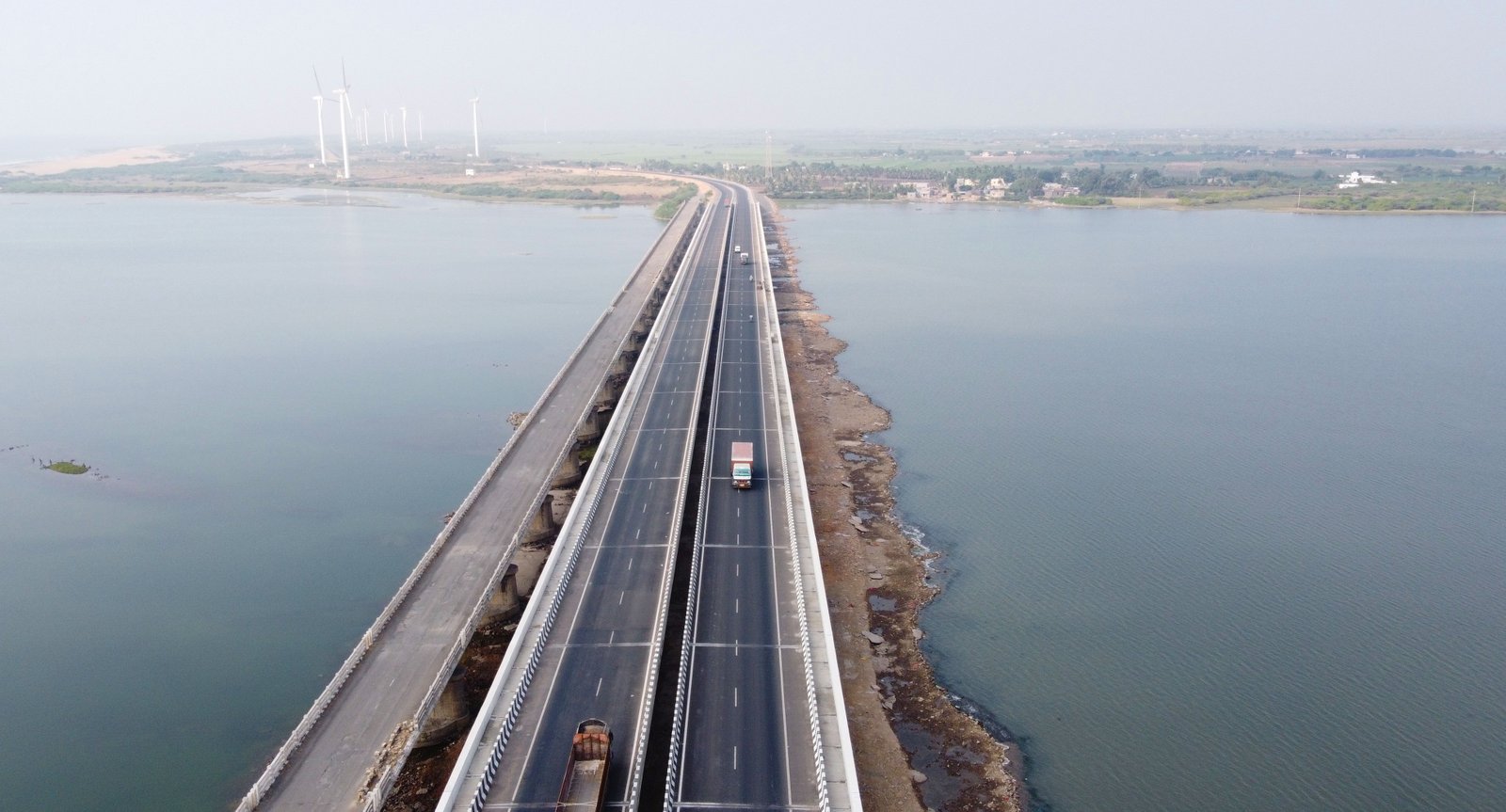
Major Bridge on Bhadar River, Gujarat

Scope of Work

Detail Design

Corridor Length & Configuration

650 m